
 admin
adminAs digital platforms continue to scale, handling a large number of simultaneous users becomes a critical challenge. High-concurrency environments require systems that can efficiently distribute workloads to maintain performance and stability. Load balancing is a key technique that ensures smooth operation by evenly distributing incoming traffic across multiple servers.
A platform such as MK8 reflects how modern systems utilize load balancing strategies to maintain consistent performance even during peak traffic periods. By optimizing resource allocation, platforms can deliver seamless user experiences without downtime.
⚖️ What Is Load Balancing?
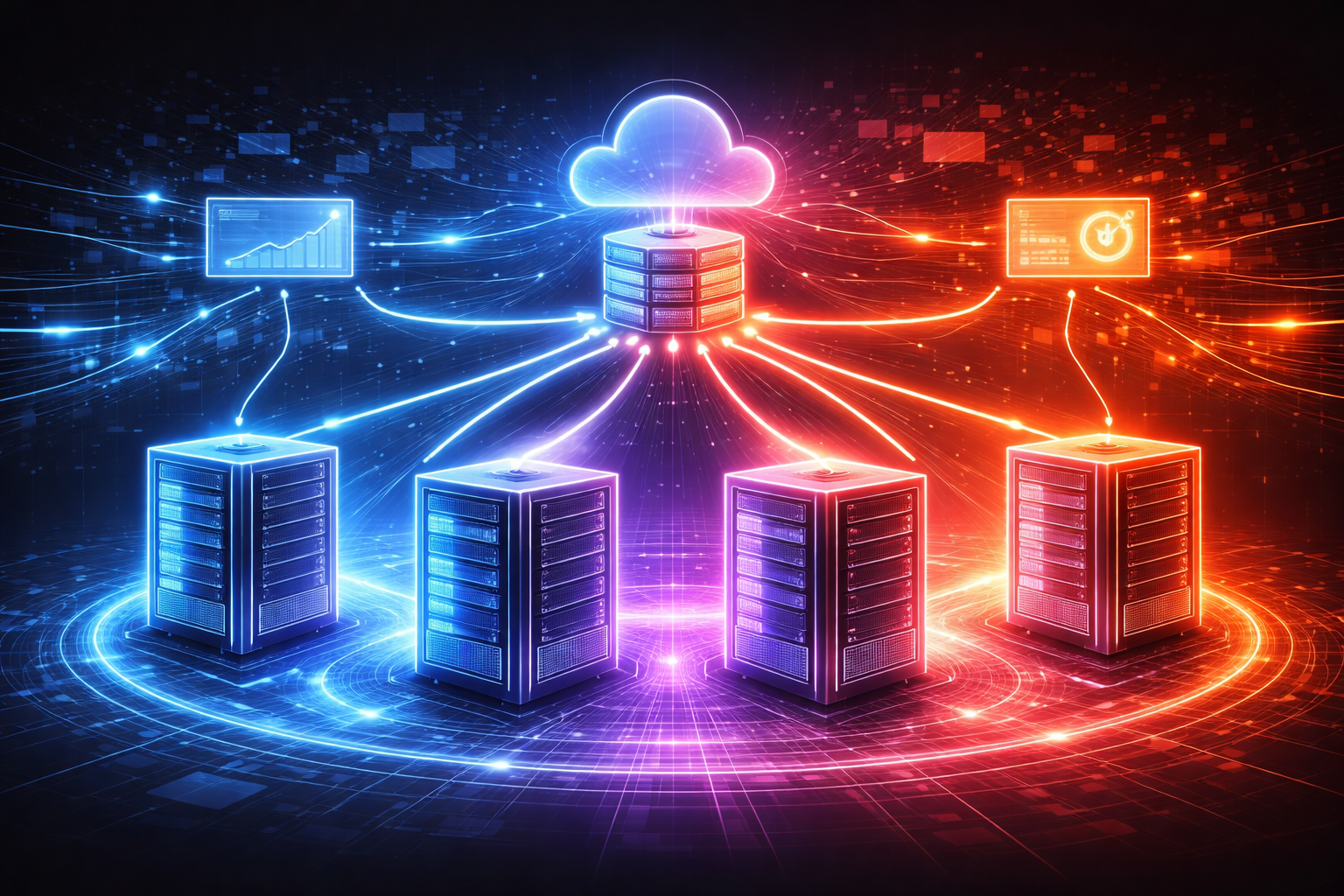
Load balancing is the process of distributing network traffic across multiple servers to ensure that no single server becomes overwhelmed. This helps improve system performance, reliability, and scalability.
Instead of sending all requests to one server, load balancers act as intermediaries that direct traffic to the most appropriate server based on various factors.
Key objectives include:
- Preventing server overload
- Improving response times
- Ensuring high availability
- Enhancing system scalability
⚙️ Types of Load Balancing
There are several types of load balancing techniques used in modern systems:
1. Round Robin
Traffic is distributed sequentially across servers. Each server receives requests in turn, ensuring equal distribution.
2. Least Connections
Requests are directed to the server with the fewest active connections, optimizing resource usage.
3. IP Hash
Traffic is distributed based on the client’s IP address, ensuring consistent routing for the same user.
4. Weighted Distribution
Servers are assigned weights based on their capacity, allowing more powerful servers to handle more traffic.
🚀 Benefits of Load Balancing
Load balancing provides several advantages for high-concurrency platforms:
⚡ Improved Performance
By distributing workloads, systems can handle more requests efficiently.
🔄 High Availability
If one server fails, traffic is automatically redirected to other servers.
📈 Scalability
Platforms can easily add more servers to handle increased traffic.
🛡️ Fault Tolerance
Load balancing minimizes the impact of server failures.
🌐 Hardware vs Software Load Balancers
Load balancing can be implemented using either hardware or software solutions:
Hardware Load Balancers
- Dedicated physical devices
- High performance
- Expensive and less flexible
Software Load Balancers
- Cloud-based or application-level solutions
- More flexible and cost-effective
- Easier to scale
Modern platforms often prefer software load balancers due to their adaptability and integration with cloud environments.
⚡ Load Balancing in Cloud Environments
Cloud computing has revolutionized load balancing by providing scalable and dynamic solutions. Cloud-based load balancers can automatically adjust to changing traffic conditions.
Key features include:
- Auto-scaling capabilities
- Global traffic distribution
- Integration with cloud services
- Real-time monitoring
These features ensure optimal performance and resource utilization.
🔄 Advanced Load Balancing Techniques
Modern platforms use advanced techniques to further optimize traffic distribution:
- Dynamic load balancing: Adjusts distribution based on real-time server performance
- Content-based routing: Directs traffic based on request type
- Geographic load balancing: Routes users to the nearest server location
- Health checks: Continuously monitor server status
These techniques improve both efficiency and reliability.
🔐 Security Considerations
Load balancers also play a role in system security. They can help protect platforms from malicious traffic and attacks.
Security features include:
- DDoS protection
- Traffic filtering
- SSL termination
- Rate limiting
By integrating security measures, load balancers enhance both performance and protection.
📊 Monitoring and Optimization
Continuous monitoring is essential for maintaining effective load balancing. Platforms use analytics tools to track performance and identify bottlenecks.
Key metrics include:
- Response time
- Server utilization
- Traffic distribution
- Error rates
Regular optimization ensures that systems remain efficient as they scale.
🔮 Future Trends in Load Balancing
Load balancing technology continues to evolve with new innovations:
- AI-driven traffic management
- Edge-based load balancing
- Serverless load distribution
- Intelligent routing systems
These advancements are making load balancing more efficient and adaptive.
🎯 Conclusion
Load balancing is a fundamental technique for managing high-concurrency platforms. By distributing traffic efficiently, it ensures performance, reliability, and scalability.
As digital platforms continue to grow, implementing advanced load balancing strategies will be essential for maintaining seamless user experiences. Systems that optimize traffic distribution will be better equipped to handle future demands and challenges.